
The Comprehensive Checklist for Selecting a Managed SOC Provider
TL;DR When selecting a managed SOC provider, consider their expertise, technology, and ability to integrate with your existing tools. A good provider offer…
The Comprehensive Checklist for Selecting a Managed SOC Provider
TL;DR When selecting a managed SOC provider, consider their expertise, technology, and ability to integrate with your existing tools. A good provider offer…

Top Cyber Threats Facing the Utilities Industry
The utilities industry is under increasing pressure from cyber threats that are growing more sophisticated, disruptive, and difficult to detect. Power providers, water treatment facilities, natural gas operators, and renewable energy companies now sit directly in the crosshairs of cybercriminals, ransomware groups, and nation-state actors looking to exploit critical…
Managed XDR vs Managed SIEM: Closing the Loop Between Detection and Response
Why Are Traditional SIEM Approaches Falling Short? MXDR is what happens when security leaders stop asking, “Did we detect it?” and start asking, “Did we stop it?” That shift in question is the entire point. It moves the conversation from output to outcome…

Defending Against Machine-Speed Attacks and Administrative Tool Exploitation
What Are Machine-Speed Attacks and Why Are They Increasing? Machine-speed attacks represent a fundamental shift in how cyber threats are executed. Instead of relying on traditional malware or exploit chains, attackers are now leveraging valid credentials and trusted access to move through environments at the speed of automation. Once access is established, there is no delay…

Cybersecurity Regulations in Oil and Gas: What You Need to Know
TL;DR Cybersecurity regulations in the oil and gas industry are expanding to address growing threats to critical infrastructure. From TSA pipeline directives to global frameworks, organizations are expected to strengthen visibility, incident response, and operational resilience. Compliance alone isn’t enough. Security operations have to be continuous, integrated, and aligned…
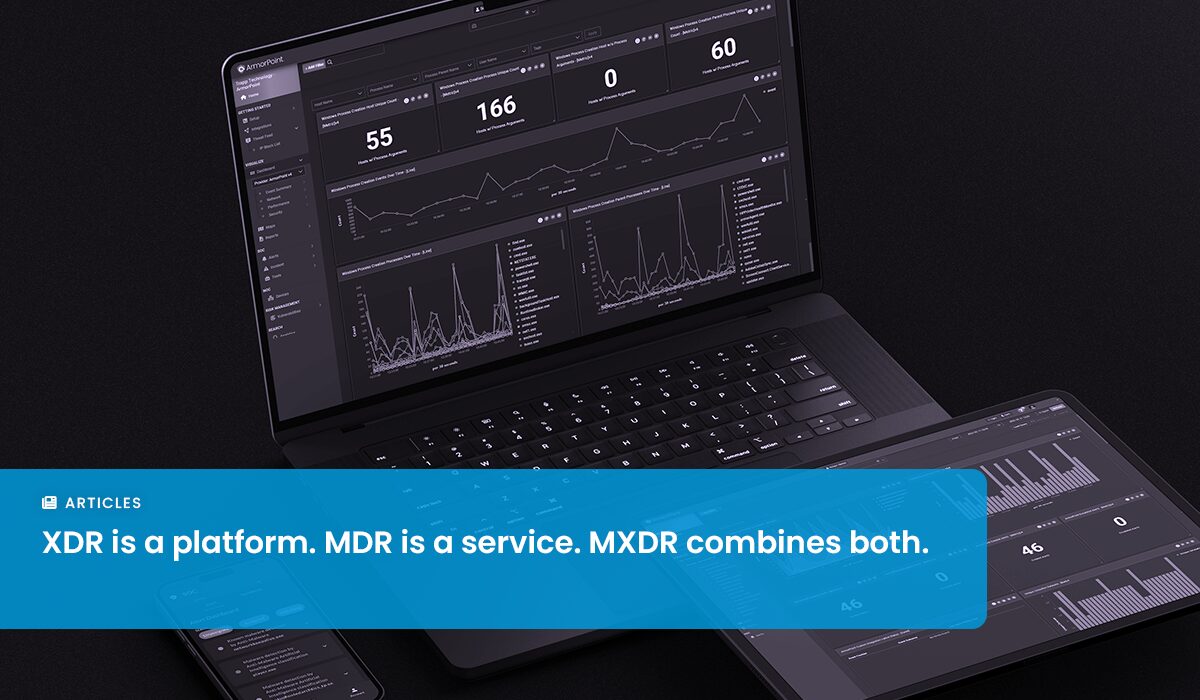
MXDR vs XDR vs MDR: What’s the Difference and Which Do You Need?
What is the Difference Between MXDR, XDR, and MDR? At a glance, MXDR, XDR, and MDR can seem like variations of the same idea. They all focus on detecting and responding to threats. But the difference comes down to scope, ownership, and outcomes. XDR is designed to give you…

Top Cybersecurity Threats in the Oil and Gas Industry
The Oil and Gas Industry is Operating in a High-Stakes Threat Environment Oil and gas organizations are facing a fundamentally different cybersecurity reality than they were even a few years ago. This is not just about protecting data anymore. It is about protecting operations that power economies, supply energy…
Optimizing Syslog Collection: Best Practices for High-Volume Environments
Why is Syslog Still Critical in Modern Security Operations? Syslog remains one of the most widely used and essential methods for collecting event data from network devices such as firewalls, routers, switches, and other infrastructure components. While modern environments increasingly rely on APIs and endpoint agents, syslog continues to…

What is Managed Extended Detection and Response (MXDR)?
Managed Extended Detection and Response (MXDR) is a cybersecurity service that delivers continuous threat detection and response across the entire attack surface, including endpoints, network traffic, cloud environments, and identity systems. At its core, MXDR combines three foundational elements of modern security operations: Extended Detection and Response…
SIEM Data Ingestion Explained: How Unlimited Models Improve Threat Detection
Security information and event management (SIEM) platforms remain the backbone of modern security operations. They collect and analyze logs from across the environment, correlate events, and surface alerts that help security teams detect and respond to threats. However, for many organizations evaluating…
The Alert Queue: How Modern SOCs Prioritize What Matters
Security operations centers (SOCs) are built to detect and respond to threats in real time. Yet in most environments, the biggest challenge is not a lack of alerts. It is the overwhelming number of them. Modern organizations generate thousands, sometimes millions, of…
How Active Directory Integration Speeds Up Incident Containment
When security incidents occur, speed matters. The difference between a contained event and a full-scale breach often comes down to minutes, not hours. But many organizations still face a familiar challenge: security teams detect suspicious activity, yet containment is delayed because identity context is missing. Analysts may see an…
Sandboxing 101: Validating Suspicious Files Without Risk
Suspicious files are one of the most common starting points for modern cyberattacks. A single attachment, download, or payload delivered through email can lead to ransomware, credential theft, or full environment compromise. Security teams face a constant challenge: how do you safely determine whether a file is malicious…
SIEM Detection Rules Explained: How Tuning Improves Accuracy
Security Information and Event Management platforms are a core part of modern security operations. At the center of every SIEM are detection rules, which help identify suspicious activity, surface threats, and trigger investigations. But detection rules are only effective when they are…
How SIEM Correlates Vulnerability Scanner Data to Prioritize Real Threats
TL;DR Vulnerability scanners identify weaknesses, but they do not show which ones pose real risk. By ingesting vulnerability scanner data into a SIEM, security teams can correlate vulnerabilities with asset criticality, exposure, threat intelligence, and live security activity. This correlation enables risk-based prioritization, faster remediation, and stronger protection against…
Receive exclusive updates, industry news, and advice for future-proofing your business delivered straight to your inbox every month.





NOW AVAILABLE!


© 2026 ArmorPoint, LLC. All rights reserved. Legal