TL;DR
TL;DR
As cybersecurity becomes a business-critical function, CISOs must communicate metrics that connect technical performance to organizational outcomes. In 2026, the most effective cybersecurity KPIs go beyond alert counts or patch rates; they tell a story of risk reduction, business continuity, and resilience. The right metrics help boards understand how cybersecurity investments protect revenue, reputation, and regulatory standing.
Cybersecurity is no longer a back-office concern. Boards now view it as a core component of business strategy. Yet, the challenge many CISOs face is translating complex data into insights executives can act on. Metrics that are meaningful to analysts often fail to resonate in the boardroom.
Heading into 2026, organizations need to mature the way they measure and report on cybersecurity. The goal is not to overwhelm leadership with data, but to deliver clarity: where risks exist, how they are managed, and what progress has been made toward resilience.
Why Cybersecurity Metrics Matter at the Executive Level
Boards and investors are asking tougher questions about cyber risk exposure, response readiness, and ROI. With new disclosure requirements from the SEC and increasing regulatory oversight across industries, transparency has become mandatory.
Effective cybersecurity metrics:
- Demonstrate accountability across leadership and technical teams.
- Quantify business risk and show the financial impact of potential incidents.
- Guide investment decisions by connecting spending to outcomes.
- Reinforce trust with stakeholders, customers, and regulators.
Boards don’t need every technical detail—they need a high-level view of how well the organization can prevent, detect, and respond to threats.
7 Core Cybersecurity KPIs Every CISO Should Track
1. Mean Time to Detect (MTTD) and Mean Time to Respond (MTTR)
These metrics reflect the efficiency of detection and response processes. A lower MTTD or MTTR means the SOC is identifying and containing threats before they can cause damage. Boards understand these as indicators of operational maturity and the effectiveness of managed SOC or MDR partnerships.
2. Incident Volume and Severity Trends
Rather than reporting total alerts, focus on validated security incidents and their business impact. Show trends over time; declining severity or faster containment demonstrates measurable progress.
3. Vulnerability Management Metrics
Track the number of critical vulnerabilities identified, prioritized, and remediated within a set timeframe. Pair this with patch management compliance rates to show proactive risk reduction.
4. User Awareness and Human Risk Metrics
Human behavior remains the top attack vector. Report phishing simulation success rates, security awareness participation, and incident reporting rates. Improved user awareness directly correlates to reduced breach likelihood.
5. Third-Party and Supply Chain Risk Scores
In 2026, supply chain security is under more scrutiny than ever. Track vendor compliance audits, risk assessment completion, and exposure levels. Boards want assurance that partner ecosystems meet the same security standards.
6. Compliance and Regulatory Readiness
For organizations under frameworks such as NIST CSF 2.0, DORA, or ISO 27001, compliance posture metrics show alignment with industry and legal expectations. This also demonstrates due diligence in governance.
7. Cost per Incident and ROI of Cybersecurity Investments
Boards appreciate financial context. Track the cost of containment and recovery compared to prior quarters, and quantify the value of investments in managed services, automation, or risk reduction programs.
How to Communicate Cybersecurity Metrics to the Board
Metrics are only as valuable as the story they tell. When presenting to executives:
- Translate technical metrics into business impact. For example, “Our new endpoint protection strategy reduced potential downtime by 40%.”
- Visualize data clearly. Use dashboards, trend graphs, and color-coded risk matrices.
- Prioritize context. Pair each KPI with a short explanation of what it means for operations, revenue, or compliance.
- Highlight progress and next steps. Boards value improvement over perfection. Show how metrics inform decisions and where the team is focusing next.
By presenting cybersecurity metrics as part of the broader business strategy, CISOs build credibility and gain stronger executive support.
Avoiding Common Reporting Pitfalls
Many reports fail because they are too technical, too reactive, or too disconnected from business outcomes. Avoid:
- Focusing on volume over value (e.g., total alerts instead of validated threats).
- Reporting without context (numbers that don’t explain impact).
- Using inconsistent data sources across departments.
- Overloading the board with tactical details that belong in operational reviews.
Effective reporting balances precision with clarity and aligns with organizational goals.
How ArmorPoint Helps Simplify Security Reporting
ArmorPoint’s Managed SOC helps organizations measure and communicate cybersecurity performance with confidence.
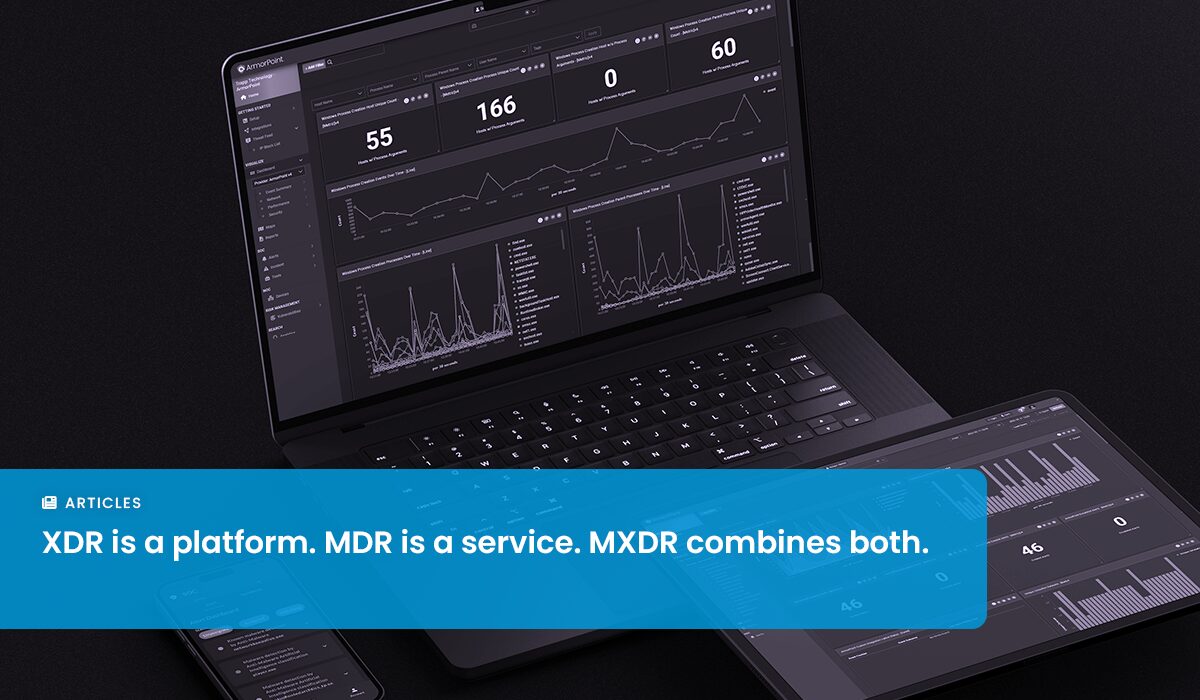
- Unified dashboards consolidate SIEM, endpoint, and vulnerability data into a single view.
- Automated reporting surfaces the metrics that matter most for executive review.
- Threat intelligence enrichment provides business context behind alerts.
- 24/7 visibility ensures leadership can see trends and progress at any time.
With ArmorPoint, security teams can focus on improving performance rather than manually compiling reports.
Conclusion
The boardroom conversation around cybersecurity is changing. In 2026, leaders want clarity, not complexity. They expect metrics that connect security operations to business outcomes and demonstrate continuous improvement.
By tracking the right KPIs, MTTD, MTTR, vulnerability remediation, awareness performance, compliance readiness, and financial impact, CISOs can show measurable progress while earning greater trust and investment from the board.
Ready to strengthen your board reporting strategy? Schedule a demo of ArmorPoint’s Managed SOC solutions to see how real-time visibility, threat intelligence enrichment, and automated dashboards help organizations deliver clear, executive-ready cybersecurity insights.