TL;DR
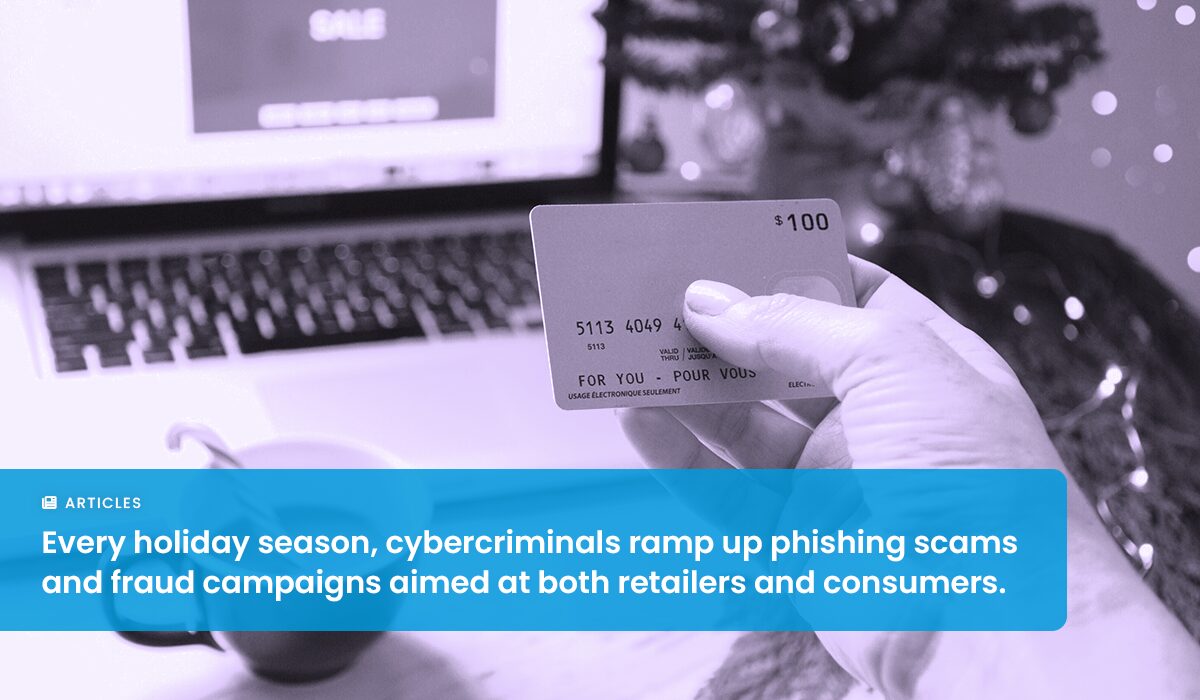
Every holiday season, cybercriminals ramp up phishing scams, gift card fraud, malicious shopping apps, and fraud campaigns aimed at both retailers and consumers. They take advantage of increased online traffic and reduced security staffing to maximize their impact. Businesses can protect themselves with 24/7 monitoring, multi-factor authentication, and employee awareness training. Shoppers can reduce their risk by verifying links, using secure payment methods, and avoiding suspicious gift card requests.
The holiday season is one of the busiest and riskiest times of the year online. Between shopping sprees, gift exchanges, and year-end business wrap-ups, digital activity skyrockets. Unfortunately, so does cybercrime. For attackers, this period is the perfect storm: reduced IT staffing, distracted consumers, and a surge in online transactions all create fertile ground for scams and exploits.
From phishing scams to fake shopping apps, criminals know how to turn holiday cheer into opportunity. Understanding the most common cyber threats during the holiday season can help enterprises and individuals alike stay one step ahead.
What Are the Top Holiday Cyber Threats?
When digital behavior shifts, so does the playbook of cybercriminals. Here are the most common holiday cyber threats businesses and consumers face:
1. Holiday Phishing Scams
Phishing remains the leading holiday cyber threat. Attackers disguise emails or texts as legitimate messages from shipping companies (“Your package is delayed”), major retailers (“Your order needs confirmation”), or even charities seeking donations. These lures are effective because they exploit urgency and trust.
Why it works: During the holiday season, people are expecting more delivery notifications and year-end requests, so fraudulent messages blend in.
The risk: Credential theft, malware infections, and account takeovers.
2. Gift Card Fraud
Gift cards are popular presents and a goldmine for scammers. A common tactic is business email compromise (BEC), where a cybercriminal impersonates a boss or colleague and asks an employee to urgently buy gift cards. Criminals also target consumers directly, posing as relatives or online vendors.
Why it works: Gift cards are nearly impossible to trace once redeemed, giving attackers instant payoff.
The risk: Direct financial loss for victims and reputational damage for companies being impersonated.
3. Holiday Shopping Malware
The holiday rush brings fake e-commerce sites, malicious ads, and fraudulent shopping apps. Many offer “unbeatable” deals designed to tempt users into downloading malware or entering payment data.
Why it works: Bargain-hunting shoppers often overlook red flags, especially when pressured by “limited-time” offers.
The risk: Stolen payment card details, unauthorized transactions, and potential identity theft.
4. Fraud Campaigns Targeting Retailers
Retailers face heightened risk during peak shopping periods. Cybercriminals launch coordinated fraud campaigns that include:
- Account takeovers using stolen credentials to steal loyalty points or make fraudulent purchases.
- Denial-of-service attacks designed to crash e-commerce sites during busy periods.
- POS system exploits targeting outdated or unpatched systems.
Why it works: Retailers prioritize sales and customer experience during the holidays, sometimes at the expense of timely security updates.
The risk: Revenue loss, disrupted operations, and loss of customer trust.
Why Do Cybercriminals Target the Holidays?
Attackers time their campaigns carefully, and the holiday season provides them with three major advantages:
- Reduced Staffing: IT and security teams are often understaffed due to vacations, leaving monitoring gaps.
- Increased Online Traffic: With billions of dollars spent online, malicious activity hides in the noise.
- Distraction Factor: Both employees and consumers are more likely to miss warning signs when juggling holiday demands.
In short, holiday cyber threats succeed because they exploit both technical vulnerabilities and human behavior.
How Can Businesses Stay Secure During the Holidays?
For enterprises, especially retailers, protecting systems and data during the holiday surge is critical. Here are the most effective security measures:
- Enhance Monitoring: Ensure round-the-clock security monitoring. If internal coverage is limited, consider managed SOC support.
- Strengthen Access Controls: Require multi-factor authentication (MFA) for all e-commerce, POS, and cloud systems.
- Run Seasonal Awareness Campaigns: Remind employees about holiday phishing and gift card scams through training refreshers.
- Patch and Harden Systems: Update e-commerce platforms, plugins, and POS systems before peak traffic begins.
- Review Incident Response Plans: Make sure escalation paths are clear so threats are contained quickly.
How Can Shoppers Protect Themselves from Holiday Scams?
Cybercriminals know holiday shoppers are under pressure. A few smart habits can drastically reduce your risk:
- Verify Before You Click: Go directly to retailer websites instead of trusting links in unsolicited messages.
- Use Secure Payment Methods: Credit cards provide stronger fraud protection than debit cards or peer-to-peer apps.
- Be Wary of Gift Card Requests: Treat urgent gift card demands—even from a “boss” or “relative”—as a scam.
- Shop Smart: Use only official app stores and be skeptical of “too good to be true” deals.
- Enable Account Alerts: Set up transaction notifications to catch fraudulent activity early.
Conclusion
The holiday season may bring joy, but it also brings heightened cyber risk. From phishing scams and gift card fraud to holiday shopping malware and retailer-focused attacks, cybercriminals exploit both increased online activity and reduced oversight.
By strengthening defenses, educating employees, and practicing secure online habits, businesses and consumers alike can keep the season merry, bright, and safe from cyber threats.