TL;DR
Recent manufacturing sector breaches illustrate the dangers of ransomware, phishing, and supply chain attacks targeting operational technology and critical systems. Organizations must invest in segmentation, incident response, and industrial cybersecurity best practices to mitigate risk.
Cybersecurity breaches in manufacturing are increasing in frequency and impact. As digital transformation accelerates across production lines and supply chains, manufacturers have become prime targets for cybercriminals. From ransomware and data theft to third-party software exploits, the last few years have made one thing clear: security must be a core business priority for manufacturers.
Lessons from Top Manufacturing Breaches
Clorox
In August 2023, Clorox became the victim of a ransomware attack that forced the company to shut down critical systems. Operations ground to a halt as teams scrambled to process orders manually and restore disrupted workflows.
What was the impact?
- Manufacturing and fulfillment delays led to product shortages on store shelves
- The company revised its financial forecast due to the operational downtime
- Recovery took weeks, with effects stretching well into the next quarter
What was the takeaway?
When IT systems fail, OT operations often follow. Manufacturers must invest in IT/OT segmentation and create contingency plans that allow essential functions, like order fulfillment and shipping, to continue without full system access. Restoring from backups is not enough if your people and processes aren’t ready to adapt quickly.
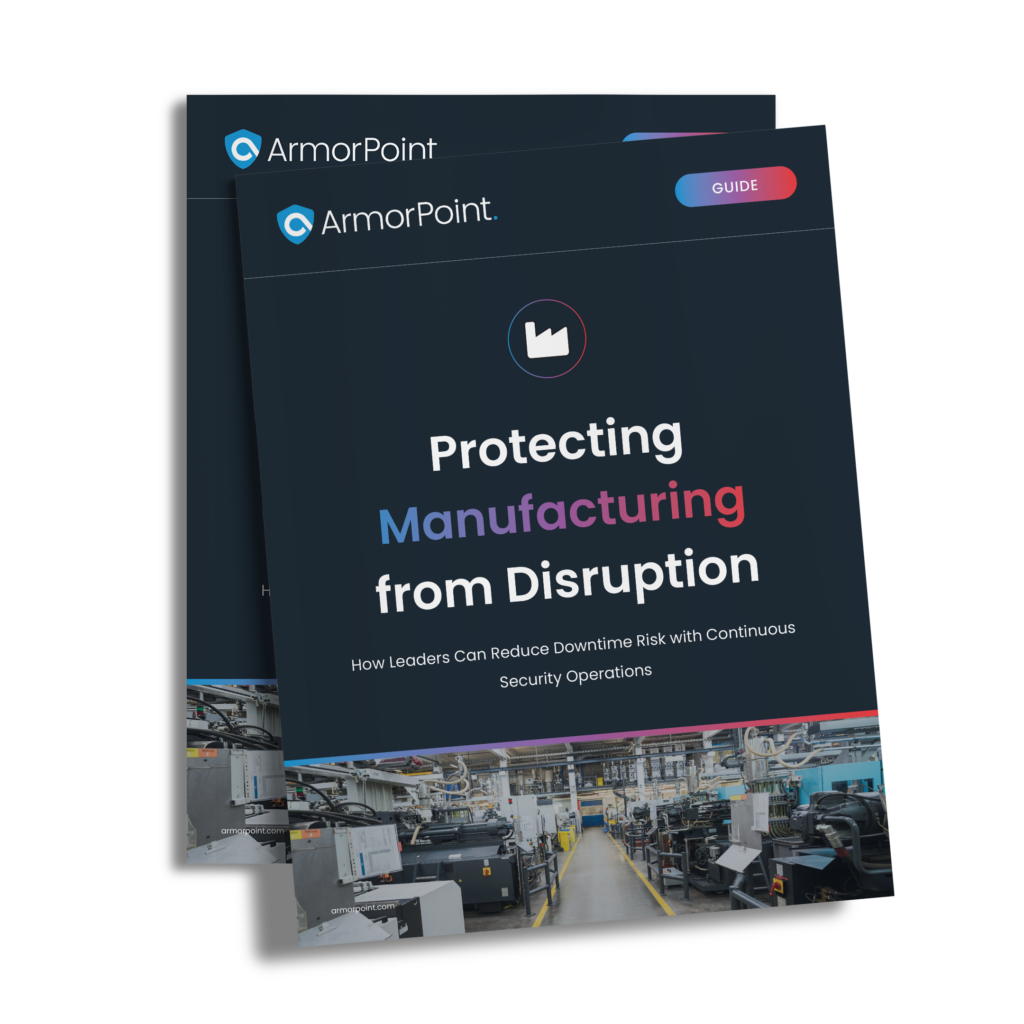
Free Guide: How Manufacturers Stay Protected Without Disrupting Production
Get the GuideSimpson Manufacturing
Just weeks after the Clorox attack, Simpson Manufacturing reported a cybersecurity incident that forced the company to take its systems offline. Although details were limited, the response and recovery timeline pointed toward a ransomware event.
What was the impact?
- Systems were down for an extended period, halting production and customer service
- Full operational recovery was not achieved until late in the fourth quarter
- The company faced internal disruption and external reputation damage
What was the takeaway?
Speed matters. Every day of downtime carries a cost in lost revenue, supply chain disruption, and customer dissatisfaction. Manufacturers need more than just secure backups; they need clearly defined response roles, regularly tested recovery procedures, and visibility into how an outage could ripple across production and logistics.
Schneider Electric
In November 2024, Schneider Electric fell victim to an attack by the Hellcat ransomware group, which stole 40 GB of internal project data from a supposedly isolated platform. While the core manufacturing systems were unaffected, the stolen data included critical intellectual property and client-facing documentation.
What was the impact?
- Proprietary project files and internal communications were leaked
- Potential exposure of confidential information related to critical infrastructure
- The breach raised concerns across both public and private sectors
What was the takeaway?
No system is too obscure or isolated to be targeted. Organizations must treat internal tools, development platforms, and project databases with the same level of protection as production systems. Encryption, access control, and real-time monitoring should be standard, even for tools that aren't directly connected to operations.
Holt Group
In December 2024, the Holt Group, a major heavy equipment manufacturer, experienced a large-scale data breach involving more than 868 GB of information. The exposed data included names, Social Security numbers, addresses, and banking information for over 12,000 individuals.
What was the impact?
- Victims reported identity theft and financial fraud
- Legal action followed, including a class-action lawsuit
- The company faced compliance scrutiny and reputational harm
What was the takeaway?
Cybersecurity goes beyond protecting production. HR systems, customer databases, and employee records often contain sensitive personal information that must be secured. Manufacturers must encrypt stored data, limit retention periods, and build response workflows for breach disclosure and regulatory reporting.
MOVEit Breach
One of the most significant breaches of 2023 wasn’t caused by a direct attack on manufacturers; it came through a software vendor. The Cl0p ransomware gang exploited a zero-day vulnerability in the MOVEit Transfer tool, compromising thousands of organizations that relied on it to move sensitive files.
What was the impact?
- Over 2,700 organizations were affected globally
- Payroll, HR, and vendor data for millions of individuals was exposed
- Many manufacturers were indirectly impacted through third-party data exchanges
What was the takeaway?
Third-party risk is your risk. Every tool, platform, and partner you rely on introduces a potential point of entry. Manufacturers must maintain an up-to-date software inventory, require vendors to follow cybersecurity best practices, and patch vulnerabilities as soon as updates are released.
6 Lessons Every Manufacturer Needs to Act On
These breaches point to a few consistent, actionable takeaways that can help any manufacturer strengthen its security posture:
- Segment IT and OT environments: Don’t let attackers move freely between business systems and the factory floor.
- Build and test your backup and recovery strategy: Backups are only useful if they’re current, isolated, and restorable under pressure.
- Control access and require MFA everywhere: Limit privileges and secure all user accounts to reduce the attack surface.
- Invest in vendor risk management: Know who has access to your data, what software you’re using, and how quickly third parties respond to vulnerabilities.
- Train your team to recognize threats: Most breaches still begin with phishing or social engineering. User awareness remains one of the most cost-effective controls.
- Create and rehearse your incident response plan: The worst time to figure out your breach response process is during a live attack.
Conclusion
The manufacturing industry is at a turning point. As technology drives efficiency and growth, it also introduces new risks that must be addressed head-on. Whether you build circuit boards or heavy machinery, the time to invest in cybersecurity resilience is now.
Ready to strengthen your cybersecurity program? Book a demo today to see how ArmorPoint's Managed SOC services help manufacturers detect threats faster, reduce risk, and stay secure.