TL;DR
Log data analysis involves collecting, parsing, and correlating logs from across IT systems to uncover suspicious behavior, identify incidents, and support forensic investigations. It is a critical function for threat detection, compliance, and operational insight.
Every application, system, user action, and connected device produces log data that holds valuable insight, but only if you know how to interpret it. Without the ability to analyze that data effectively, organizations risk losing visibility and control. Log data analysis provides critical insight needed to detect security incidents, maintain compliance, and troubleshoot performance issues. It serves as the foundation for effective security operations and modern observability practices.
What is Log Data Analysis?
Log analysis is the process of reviewing, interpreting, and extracting value from log files generated by systems and tools across your IT environment. It is not the same as basic log collection. While collection gathers the data, analysis turns it into usable intelligence.
Common Types of Logs
- Security logs from firewalls, endpoint protection, and authentication tools
- System logs that record operating system activity and hardware performance
- Application logs tracking usage, errors, and behavior within software
- Network logs capturing traffic patterns, connections, and communication paths
These logs help security, IT, and compliance teams gain a full picture of activity across the environment. They are essential for detecting threats, identifying performance issues, and demonstrating security control effectiveness.
The Log Analysis Process
To unlock the value of logs, organizations need a process that goes far beyond just storing data.
1. Data Collection
Log data is generated across servers, endpoints, cloud services, firewalls, and other devices. It must be captured accurately and completely.
2. Centralization
Gathering logs into a centralized platform, such as a Security Information and Event Management (SIEM) solution, enables correlation, analysis, and alerting across different sources.
3. Parsing and Normalization
Logs come in many formats. Parsing breaks them into key fields, while normalization ensures consistency across all sources. This makes the data searchable and easier to analyze.
4. Correlation and Enrichment
Linking events across systems helps identify patterns, such as a failed login followed by a privilege escalation. Enrichment adds context like asset importance, user identity, and known threat indicators.
5. Alerting and Visualization
Real-time alerts and dashboards help teams identify suspicious activity and respond faster. Visualizations like heatmaps and time-based charts highlight trends and anomalies.
Techniques and Best Practices
To maximize the value of log analysis, organizations should follow these best practices:
- Use consistent formats and synchronized timestamps across systems
- Set clear retention and archiving policies based on regulatory requirements
- Automate alerts for known indicators of compromise or abnormal patterns
- Establish baseline activity levels to better identify anomalies
- Regularly audit and refine your log collection and analysis strategy
Common Log Analysis Use Cases
Log data is used across security, IT operations, and compliance functions. Key use cases include:
- Security Incident Detection and Response: Logs help detect brute force attacks, unauthorized access, privilege abuse, and lateral movement—often in real time.
- Compliance Reporting: Log data supports regulatory audits by proving that access controls, security measures, and monitoring practices are in place.
- System Troubleshooting: Logs provide visibility into system errors, application crashes, and performance bottlenecks, helping teams identify root causes.
- Threat Hunting: Proactive security teams use log data to search for signs of compromise and identify stealthy or advanced attacks before they escalate.
Challenges in Log Data Analysis
Despite its benefits, log analysis comes with challenges that must be managed:
- High volumes of data can overwhelm storage and analysis systems
- Cost concerns may limit how long logs can be retained or how much can be analyzed
- Data silos make it difficult to correlate events across tools and platforms
- Skill shortages in security and analysis roles can slow response times and limit effectiveness
Log Analysis in the SOC
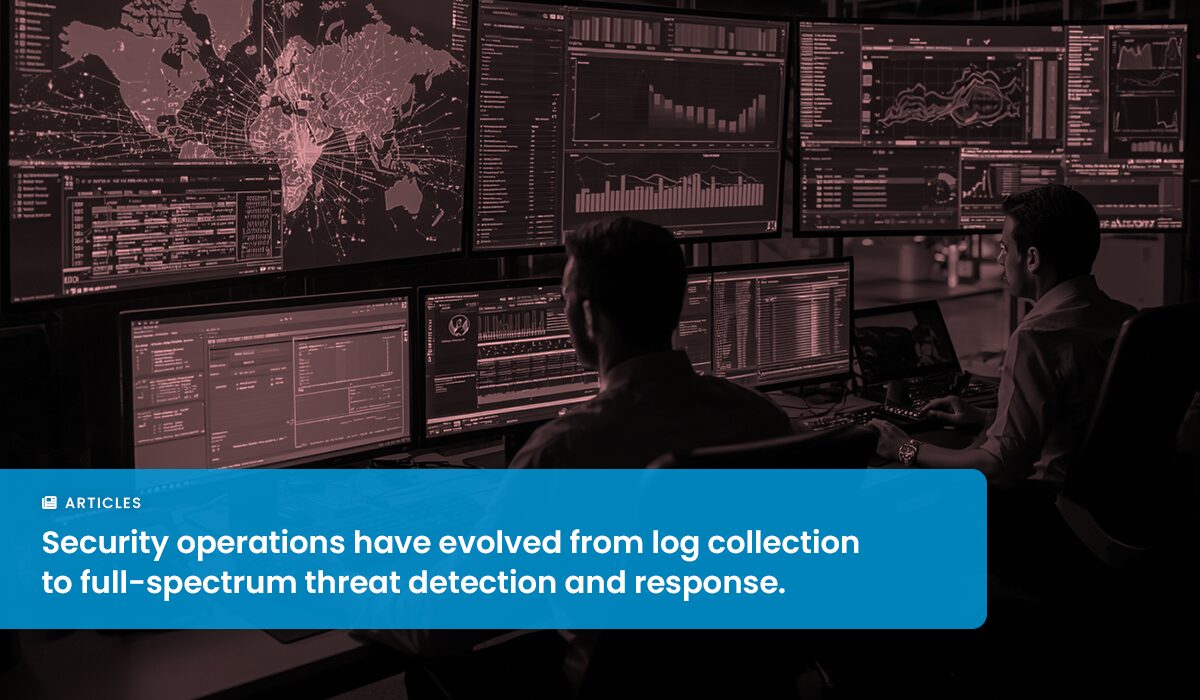
In a Security Operations Center (SOC), log analysis is central to threat detection and response. It supports triage, automates decision-making, and helps teams escalate the right incidents with the right context.
Log data powers:
- Detection rules and use cases tailored to your environment
- Automated triage workflows and playbooks
- Threat intelligence integrations for added context
- Analyst dashboards that cut through noise and highlight true risk
When combined with the right tools and expert oversight, log analysis dramatically improves SOC efficiency and response capability.
Conclusion
Log data analysis is no longer optional. It is essential for protecting your environment, meeting regulatory demands, and responding to incidents with speed and clarity.
If your organization is ready to take a more proactive approach to cybersecurity, book a demo with ArmorPoint to see how our managed SIEM and SOC solutions can deliver deeper visibility, faster response, and greater peace of mind.