TL;DR
Compliance is important, but it does not guarantee security. As CISOs prepare for 2026, the priority is moving beyond audit checklists and building cybersecurity programs that truly reduce business risk. Real resilience comes from aligning compliance frameworks with operational maturity, integrating security into daily workflows, and developing a risk-led strategy that adapts to evolving threats.
Organizations today face an environment where regulatory pressure is increasing, but cyber threats are growing even faster. Meeting compliance requirements is essential, yet compliance alone cannot keep attackers out.
Heading into 2026, the role of the CISO is shifting from compliance manager to strategic risk leader. The organizations that succeed will treat compliance as a baseline while focusing on the controls, behaviors, and processes that meaningfully reduce risk in real time.
This blog explores how security leaders can move beyond compliance and build programs that strengthen resilience across the entire business.
The Gap Between Compliance and Security
Many organizations assume that passing an audit means they are secure. Unfortunately, attackers do not care about compliance frameworks. They exploit misconfigurations, vendor weaknesses, untrained employees, and gaps in visibility that compliance checklists rarely address in depth.
Common compliance pitfalls include:
- Controls implemented on paper but not operationalized.
- Annual audits that overlook day-to-day security maturity.
- Frameworks that lag behind emerging attack techniques.
- Overreliance on point-in-time assessments.
A compliance-only mindset leads to blind spots that attackers recognize instantly.
Why CISOs Need a Risk-Based Approach in 2026
A risk-based security program is more dynamic, more aligned with business outcomes, and more effective at stopping real-world threats. It helps leaders focus resources where they matter most and communicate cybersecurity as a business enabler, not a checklist requirement.
A risk-first approach in 2026 helps:
- Prioritize the most critical assets, vulnerabilities, and business processes.
- Align security strategy with financial and operational objectives.
- Reduce the likelihood and impact of high-severity incidents.
- Improve board communication with metrics tied to business risk.
- Strengthen resilience beyond regulatory minimums.
Risk reduction becomes the mission, while compliance becomes a natural outcome of doing the right things consistently.
Mapping Controls to Real-World Threats
Compliance frameworks outline what controls should exist, but they rarely explain how attackers actually operate within modern environments. CISOs need to bridge this gap by mapping controls to active threat behaviors, including:
- Lateral movement techniques
- Credential theft and misuse
- Data exfiltration patterns
- Third-party dependency chains
- Cloud misconfiguration risks
Threat-informed defense strategies, based on frameworks like MITRE ATT&CK, help ensure controls align with current adversary tactics instead of outdated assumptions.
Integrating Security Into Everyday Business Processes
Risk reduction becomes reality when security is embedded directly into operational workflows.
This means:
- Onboarding and offboarding processes that enforce identity and access management best practices.
- Procurement workflows that assess security before tools are adopted.
- Product development cycles built around security by design.
- Vendor management programs that evaluate real risk exposure, not just SOC 2 checkboxes.
- Incident response processes that are rehearsed, refined, and ready.
When security becomes part of the rhythm of the business, it naturally exceeds compliance requirements.
Using Continuous Monitoring To Replace Point-in-Time Audits
Threats evolve continuously, but audits are often performed once a year. Continuous monitoring through SIEM, endpoint telemetry, and real-time threat intelligence gives CISOs a living picture of security posture instead of a static snapshot.
With continuous monitoring, organizations can:
- Identify new risks as they emerge.
- Validate that controls are actually working.
- Detect misconfigurations before they lead to incidents.
- Provide real-time evidence of compliance and governance.
This shift helps close the operational gaps that attackers exploit most often.
Strengthening the Human Layer of Defense
Compliance mandates training, but training alone does not create cultural resilience. Human risk reduction requires programs that:
- Engage employees with real examples and simulations.
- Reinforce secure behavior through recognition and accountability.
- Empower employees to identify and report suspicious activity.
The goal is a workforce that acts as an extension of the security team, not just a checkbox for annual audits.
Improving Communication With Executives and the Board
Boards want to understand risk exposure, not regulatory line items. CISOs must shift their reporting from compliance-driven metrics to business-driven metrics that include:
- Risk trends across critical assets
- Incident response performance
- Vulnerability remediation timelines
- Third-party risk posture
- Human behavior indicators
- Cost avoidance and impact reduction
When leaders see how security protects revenue, continuity, and reputation, they support investment beyond minimum compliance.
How ArmorPoint Helps Organizations Reduce Risk, Not Just Check Boxes
ArmorPoint is designed to help organizations move beyond compliance and build a strong, risk-focused security program.
- Real-time visibility across networks, endpoints, and cloud environments.
- Threat intelligence enrichment that aligns controls with active adversary behaviors.
- Guided processes and playbooks that operationalize best practices.
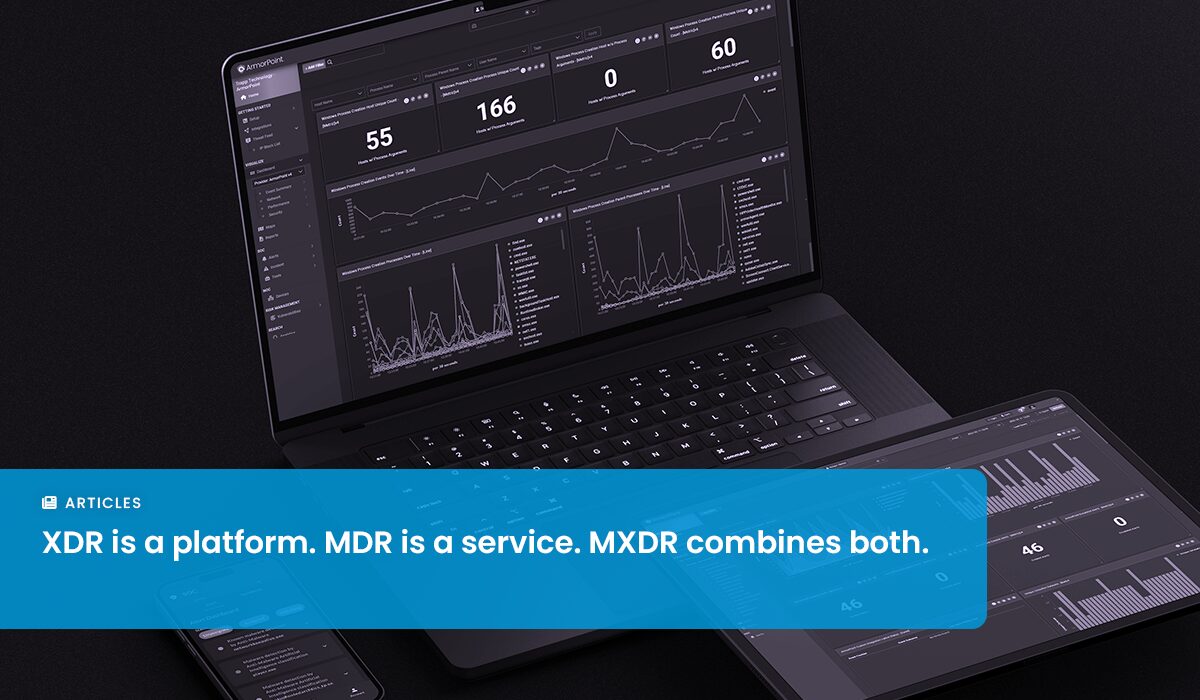
- Unified dashboards that show risk trends, incident metrics, and compliance status.
- A 24/7 SOC that ensures threats are detected, contained, and validated.
This combination helps CISOs strengthen operational maturity while naturally supporting regulatory requirements.
Conclusion
Compliance is important, but it cannot be the finish line. Attackers adapt daily, while frameworks evolve slowly. To prepare for 2026 and beyond, CISOs must build programs grounded in risk, operational excellence, and continuous improvement.
Organizations that embrace this mindset will reduce exposure, accelerate detection and response, and build trust with customers and stakeholders. Compliance is simply a by-product of doing security right.