
Cybersecurity has reached a point where reaction alone is not enough. Alerts flood in from every direction, security tools produce overlapping or conflicting information, and teams often struggle to determine what truly requires action. For many organizations, the path forward lies in proactive security, where defenders anticipate threats and act to reduce risk before incidents occur. One of the most effective tools in making this shift is threat mapping.
What is Threat Mapping?
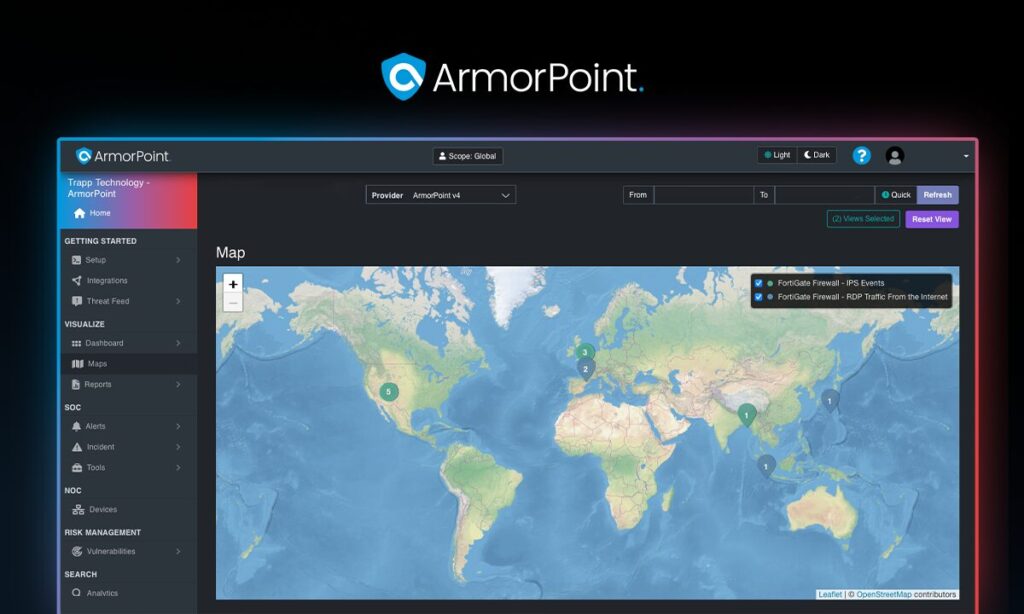
A threat map is a strategic visualization tool used in cybersecurity to connect potential cyber threats with known vulnerabilities and critical business assets. Think of it as a real-time blueprint of your risk posture, offering clear insights into which areas of your organization are most likely to be targeted, and which vulnerabilities are most likely to be exploited.
Rather than reacting to every alert or indicator of compromise, a good cyber threat intelligence map allows teams to focus on relevant threats that pose a realistic danger to the business. It also provides context that improves prioritization and decision-making, making it easier to align technical security work with business goals.
Benefits of Threat Mapping
- Improved Visibility: See where your critical vulnerabilities are, and how they align with known attack vectors.
- Better Prioritization: Allocate resources based on business risk and threat likelihood instead of just CVSS scores.
- Faster, Smarter Response: With a clear threat landscape, your incident response team knows where to act first.
- Alignment with Risk Management: Supports compliance and strategic planning by connecting technical findings with enterprise risk.
In short, a threat map transforms disjointed security data into a unified, risk-aware view of your environment.
Key Data Inputs for an Effective Cyber Threat Map
Creating an accurate and meaningful threat map depends on the quality and relevance of the data you feed into it. Below are the essential inputs required:
Asset Inventory
Your security strategy should begin with a full understanding of your digital assets. This includes systems, endpoints, applications, databases, cloud infrastructure, and any third-party services. Without an accurate asset inventory, threat mapping becomes guesswork.
Threat Intelligence
Integrate threat intelligence data from multiple sources, such as government alerts, commercial feeds, open-source intelligence (OSINT), and industry-specific advisories. These data sets highlight emerging threats and known attacker behaviors relevant to your business sector and geography.
Vulnerability Data
Use internal and external vulnerability scans to identify weaknesses in your systems. This includes software misconfigurations, unpatched applications, exposed ports, and weak authentication mechanisms.
Business Impact Context
Not all assets are created equal. For example, a vulnerability in a public-facing application used by customers may present a higher risk than one on an internal development server. Assign business value to each asset to understand the potential impact of a compromise.
Data Accuracy and Relevance
The value of a threat map is directly tied to the relevancy and accuracy of its inputs. Outdated or incomplete data can lead to incorrect conclusions. Make sure your data sources are regularly updated and validated.
When you combine these elements, you get a cyberattack threats map that accurately reflects the threats that matter most to your specific organization.
The Threat Mapping Process
A strong threat map cyber strategy is not something you build once and forget. It is an ongoing process that evolves with your business and the threat landscape. Below are the key steps involved.
Step 1: Identify Critical Assets
Work with IT and business stakeholders to determine which systems, applications, and data are mission critical. Use configuration management databases (CMDBs) and asset management tools for comprehensive visibility.
Step 2: Identify Potential Threats
Use frameworks such as MITRE ATT&CK to map attacker tactics, techniques, and procedures (TTPs). Combine this with threat intelligence to identify who might target your organization and why.
Step 3: Assess Vulnerabilities
Conduct regular vulnerability assessments and pen tests to uncover weak points in your infrastructure. Map those vulnerabilities to your asset inventory for maximum context.
Step 4: Map Threats to Vulnerabilities
Link each threat to the specific vulnerabilities it can exploit. This is where the visualization aspect of threat mapping becomes useful, showing direct pathways attackers might take.
Step 5: Evaluate Impact and Likelihood
Consider the likelihood that a threat will be exploited and the potential damage if it succeeds. This is typically calculated using a combination of threat intelligence, vulnerability scoring, and business impact assessments.
Step 6: Develop Mitigation Strategies
Based on the insights from your threat map, create a prioritized mitigation plan. This could include patching, network segmentation, implementing MFA, or deploying monitoring tools.
Step 7: Continuously Monitor and Update
The threat landscape changes rapidly. Make threat mapping a regular part of your security review process, with scheduled updates based on new intelligence, assets, or vulnerabilities.
Conclusion
As the cybersecurity landscape continues to evolve, so must our approach to defending against it. Threat mapping gives organizations a powerful tool to move beyond reactive alert triage and toward a more strategic, risk-based defense model.
By visualizing threats in the context of your specific environment, aligning them with vulnerabilities and business impact, and acting on the insights that emerge, security teams can proactively reduce risk and stay ahead of attackers.
Want to see what this looks like in action? ArmorPoint’s Managed SOC services integrate threat intelligence, vulnerability management, and expert support into a unified security operations platform. Schedule a demo today to get started.