TL;DR
Healthcare organizations must integrate Cyber Risk Management and Enterprise Risk Management to protect against evolving threats and comply with regulations. Bridging the knowledge gap between IT and leadership, conducting continuous risk assessments, and fostering a risk-aware culture are key steps for this unified approach.
A truly resilient healthcare system is one that integrates robust Cyber Risk Management and Enterprise Risk Management (ERM) strategies. However, despite the clear necessity for such integration, many healthcare organizations still struggle to keep pace.
So, why is it that many healthcare organizations are falling behind in doing this? What steps should your healthcare organization take to integrate your cyber and Enterprise Risk Management strategies? Let’s find out.
The Growing Importance of Cybersecurity in Healthcare
The significance of cybersecurity in healthcare has long been recognized, but the escalation in advanced, relentless cyber-attacks brings unprecedented risks to healthcare operations and patient safety. Take for example, the massive data breach that occurred at Change Healthcare earlier this year. Caused by a lack of MFA, 4TB of data, including the protected health information or personally identifiable information—which could cover a substantial proportion of people in America—was compromised.
In response, the U.S. government and regulatory bodies such as Health and Human Services (HHS) have launched initiatives like the voluntary Cybersecurity Performance Goals. These initiatives are designed to strengthen the sector’s defenses, emphasizing the vital role of robust cybersecurity measures in safeguarding modern healthcare systems against a backdrop of an ever-evolving threat landscape.
Risk Management in Healthcare
In healthcare, risk management is a critical function that helps to mitigate potential threats to both operational efficiency and patient safety. This process typically involves two key components: Cyber Risk Management and Enterprise Risk Management. Each of these plays a vital role but focuses on different aspects of risk within the organization.
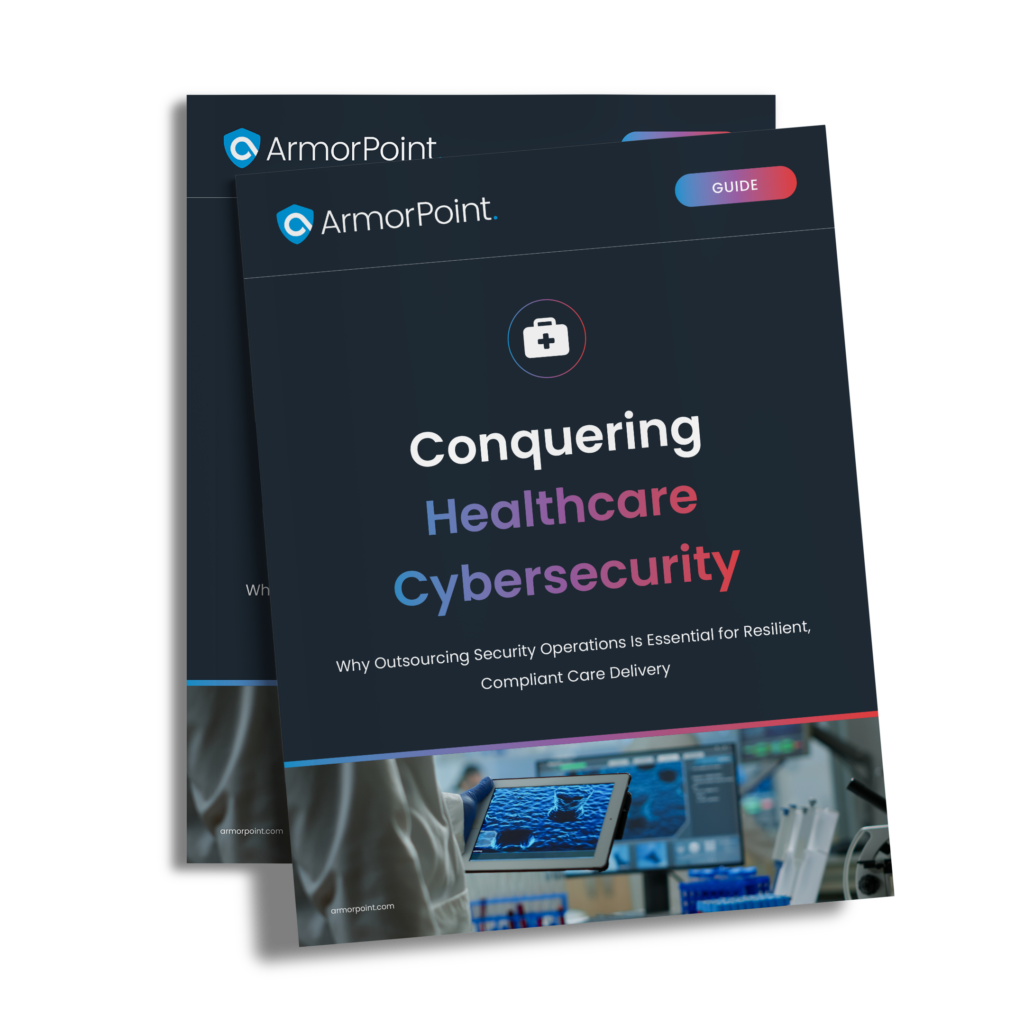
Free Guide: How Healthcare Organizations Reduce Cyber Risk
Get the GuideCyber Risk Management vs. Enterprise Risk Management (ERM)
Cyber Risk Management
Cyber Risk Management specifically addresses the risks associated with digital operations, such as data breaches, cyber-attacks, and system vulnerabilities. In the healthcare setting, this component of risk management is focused on protecting sensitive patient data and healthcare systems from cyber threats. It involves identifying potential cyber threats, implementing protective measures (like firewalls, antivirus, SIEM, and IDS), monitoring systems for suspicious activity, and responding to cybersecurity incidents.
Enterprise Risk Management
On the other hand, ERM encompasses a broader scope, dealing with all types of risks that an organization might face—from financial, compliance, and reputational risks to strategic and operational risks. ERM aims to ensure a holistic approach to identifying, analyzing, responding to, and monitoring risks. This approach helps healthcare organizations achieve their objectives, comply with regulations, and protect their assets and reputation.
6 Steps to Integrate Cyber and Enterprise Risk Management
With the importance of cybersecurity in healthcare only growing stronger, it is essential that healthcare organizations—no matter their size or specialty–start integrating their Cyber Risk Management strategy with their broader ERM strategy, because together, these two components work to create a comprehensive risk management strategy that will safeguard the organization's interests and promote a secure and effective healthcare delivery system.
Here are key steps to follow when integrating your cyber and Enterprise Risk Management strategies.
Bridge the Knowledge Gap
To effectively integrate Cyber Risk Management with Enterprise Risk Management in healthcare, it’s crucial to bridge the gap between IT-focused cybersecurity measures and broader organizational risk strategies. This integration fosters a comprehensive approach to risk management that encompasses all aspects of healthcare operations. Key to this process is gaining the support of the board, which can drive a top-down commitment to cybersecurity. By involving the board, organizations ensure that cybersecurity is not only seen as a technical issue but as an integral part of the strategic priorities of the healthcare institution, aligning with overall enterprise risk objectives and enhancing organizational resilience against cyber threats.
Align and Collaborate with Key Stakeholders
With top-town buy-in, aligning stakeholders across various departments is the next essential component for the development and implementation of effective cybersecurity policies. Effective collaboration ensures that all segments of the organization are fully engaged and committed to the cybersecurity measures being implemented. For healthcare organizations, this alignment often involves key roles such as the Chief Information Officer (CIO), Chief Medical Officer (CMO), and Chief Operations Officer (COO). These leaders play pivotal roles in bridging the gap between technology, clinical care, and operational management, ensuring a comprehensive approach to cybersecurity that resonates across all levels of the organization.
Lacking the in-house cybersecurity expertise you need to merge your Cyber and Enterprise Risk Management strategies? Learn about ArmorPoint’s vCISO services.
Develop a Vision and Strategy
It’s imperative to develop a comprehensive risk management vision that is perfectly aligned with your healthcare organization’s overall risk management objectives. Adopting established cybersecurity frameworks, such as NIST CSF 2.0, provides a structured and scalable approach for addressing your unique security needs, like protecting electronic health records (EHRs), securing connected medical devices, and maintaining the privacy and security of patient data. By doing so, organizations can ensure that their cybersecurity strategies are robust, proactive, and integrated with their mission to deliver safe and effective healthcare.
Identify and Assess Risks
Undergoing continuous risk assessments are another critical component of effective risk management in healthcare as they are essential for safeguarding patient data and complying with regulations like HIPAA, plus they provide crucial insights that help gauge the potential impact of cyber threats—including, ransomware attacks, data breaches, and insider threats—on operations and patient safety.
Regular risk assessment activities include monthly vulnerability scans, penetration tests, and Breach Attack Simulations, which proactively help identify and mitigate risks. Business Impact Analysis (BIA) and Scenario-Based Tabletop Exercises ensure operational resilience and effective incident response, while ongoing Security Posture Assessments maintain and adapt these measures to enhance cybersecurity and reduce vulnerabilities.
Cultivate a Risk-Aware Culture
With 90% of breaches caused by humans, cultivating a risk-aware culture is a key element in the successful integration of Cyber Risk Management within the broader ERM strategy. This involves taking a human-centric approach to security awareness training and embedding cybersecurity awareness at all levels of the organization—from executive management to the clinical staff. Regular training sessions, simulations, and remediation guidance should be conducted to ensure staff are aware of potential cybersecurity threats and are equipped to respond appropriately. This cultural shift ensures that cybersecurity is not seen as merely an IT issue but as an integral part of overall patient safety and care quality.
Conduct Continuous Monitoring and Reviews
Finally, to ensure the ongoing effectiveness of risk management strategies, healthcare organizations should implement a structured schedule for continuous monitoring and reviews. This involves regular meetings with IT leadership and department heads to assess and refine risk management tactics. These reviews ensure that Cyber Risk Management practices continue in step with broader Enterprise Risk Management objectives and remains responsive to both internal organizational changes and evolving external threats.
Conclusion
As healthcare organizations confront growing cyber threats, integrating Cyber Risk Management with Enterprise Risk Management becomes essential. By following these steps for integrating Cyber Risk Management and ERM strategies, healthcare organizations can strengthen their defenses against the complexities of modern cyber threats and ensure a secure and effective healthcare delivery system.
Need more guidance about improving your risk management strategy? Explore our Managed Strategy solutions to ensure your healthcare organization is protected against the complexities of modern cyber threats.
About ArmorPoint
ArmorPoint, LLC is a managed cybersecurity solution that combines the three pillars of a robust cybersecurity program — people, processes, and technology — into a single solution. Designed by cybersecurity experts, ArmorPoint’s cloud-hosted SIEM technology and extended detection and response capabilities enable businesses to implement a highly-effective, scalable cybersecurity program. With customizable pricing available, every ArmorPoint plan offers a dynamic level of managed security services that support the risk management initiatives of all companies, regardless of available budget, talent, or time. ArmorPoint is developed and powered by Trapp Technology, Inc., a Phoenix-based IT managed services provider. To learn more about ArmorPoint, visit armorpoint.com.